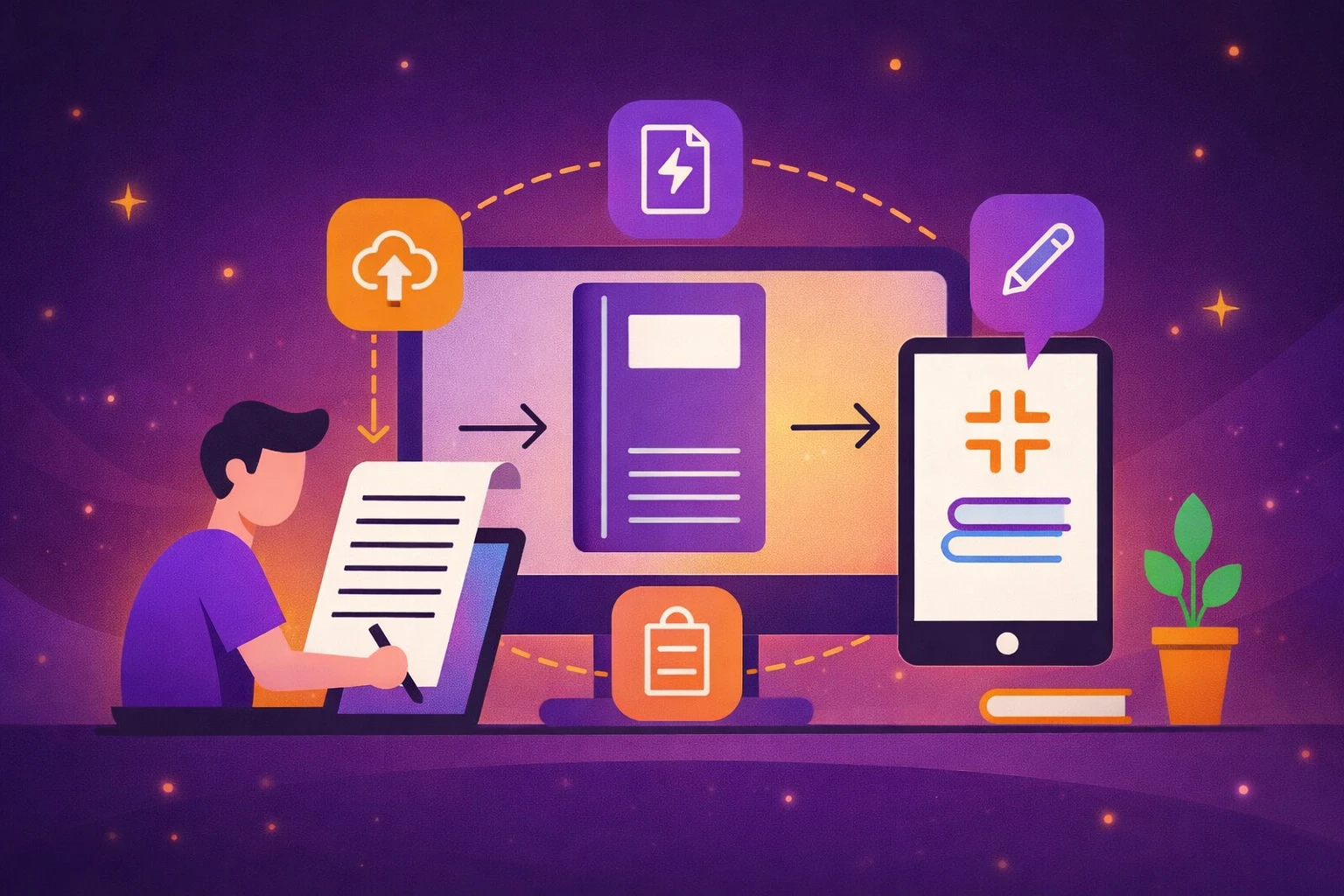
Self publishing a book has become one of the most popular ways for authors to share their stories with the world. Unlike traditional publishing, self-publishing allows writers to maintain full control over their manuscript, cover design, pricing, and distribution. Today, authors can publish their work globally using online platforms without waiting years for a publishing deal.
If you're wondering how to self publish a book, the process generally involves preparing a polished manuscript, designing a professional cover, formatting the book for digital and print, and publishing it through platforms such as Amazon Kindle Direct Publishing or other online book distributors. With the right preparation and strategy, independent authors can successfully launch their books and reach readers worldwide.
This guide explains everything you need to know about self publishing a book, from editing your manuscript to choosing the best publishing platform and marketing your book effectively.
What Is Self Publishing?
Self publishing is the process of publishing a book independently without working through a traditional publishing house. In this model, the author becomes responsible for every stage of the publishing process, including editing, design, formatting, and marketing.
The growth of digital publishing platforms has made book publishing online accessible to almost anyone. Writers can upload their manuscripts to publishing platforms and make them available globally within days.
For many authors, self publishing provides several advantages:
- Full creative control over the book
- Faster publishing timelines
- Higher royalty percentages
- Global distribution through online platforms
However, because authors manage the process themselves, they must also ensure their book meets professional publishing standards.
How Hard Is It to Get a Book Published?
One of the most common questions aspiring writers ask is how hard is it to get a book published. The answer depends on the publishing route you choose.
Traditional publishing can be very competitive. Authors often spend months or years submitting manuscripts to literary agents and publishers, and only a small percentage of submissions are accepted.
Self publishing, on the other hand, removes those barriers. Instead of waiting for approval from publishers, authors can publish their books independently once the manuscript is ready.
However, while self publishing makes it easier to release a book, success still requires:
- High-quality writing
- Professional editing
- Strong cover design
- Effective marketing
Publishing independently may be easier in terms of access, but producing a successful book still requires effort and planning.
Step-by-Step Guide: How to Self Publish a Book
Understanding the process is essential for anyone who wants to learn how do you publish a book independently. Below is a step-by-step guide that covers the most important stages of self publishing.
1. Complete and Edit Your Manuscript
The first step in self publishing a book is completing your manuscript. Before publishing, it is essential to revise your work and ensure it meets professional standards.
Most successful authors go through multiple rounds of editing, including:
- Developmental editing for structure and storytelling
- Copyediting for grammar and clarity
- Proofreading for final corrections
Investing in professional editing can significantly improve the quality of your book and increase its chances of success.
2. Design a Professional Book Cover
A book cover is often the first thing readers notice when browsing online bookstores. A well-designed cover plays a major role in attracting readers and increasing sales.
Professional covers typically include:
- Genre-appropriate design
- Clear and readable typography
- High-quality graphics or illustrations
- Proper sizing for digital and print formats
Many authors hire professional designers to ensure their book stands out in competitive online marketplaces.
3. Format the Book for Digital and Print
After editing and cover design, the next step is formatting your manuscript. Formatting ensures that the book appears correctly on different devices and reading platforms.
When learning how to publish an ebook, authors usually format their manuscripts into EPUB or Kindle formats for digital distribution.
For print books, formatting typically involves preparing a PDF file with proper margins, typography, and layout suitable for printing.
Formatting tools often used by self-published authors include:
- Ebook formatting software
- Print layout tools
- Professional book formatting services
A well-formatted book improves readability and provides a professional reading experience.
4. Choose a Self Publishing Platform
One of the most important decisions when self publishing a book is choosing the right publishing platform. Several platforms allow authors to publish books online and distribute them globally.
Common publishing platforms include:
- Amazon Kindle Direct Publishing (KDP)
- IngramSpark
- Barnes & Noble Press
- Draft2Digital
These platforms allow authors to upload their book files, set pricing, and distribute their books to digital bookstores.
Choosing the right book publisher online depends on your publishing goals, distribution preferences, and marketing strategy.
5. Set Pricing and Royalties
When publishing independently, authors can decide how much their book costs. Pricing strategies often depend on genre, book length, and market demand.
Self-published authors usually earn higher royalties than traditionally published authors. Depending on the platform, royalties can range from 35% to 70% for ebooks.
However, authors must also consider pricing competitively to attract readers and remain competitive in online marketplaces.
6. Publish Your Book
Once the manuscript, cover, and formatting are ready, the final step is uploading the book to your chosen publishing platform.
The publishing process typically involves:
- Uploading the manuscript and cover
- Entering book details such as title and description
- Choosing keywords and categories
- Setting pricing and distribution options
After publishing, most platforms review the book before making it available to readers. In many cases, ebooks can go live within 24 to 72 hours.
How to Publish an Ebook Successfully
For many authors, the easiest way to start self publishing a book is by releasing an ebook. Digital publishing removes printing costs and allows authors to reach global readers quickly.
To successfully publish an ebook, authors should focus on several important elements:
- Professional editing to ensure readability
- A strong book description that attracts readers
- Relevant keywords for discoverability
- A marketing strategy for book launches
Because ebooks are distributed digitally, authors can update their books anytime, making it easier to correct errors or improve content after publication.
How Much Does It Cost to Self Publish a Book?
The cost of self publishing a book varies depending on the services you choose. While some platforms allow authors to publish for free, professional publishing often involves certain investments.
Common self-publishing expenses include:
- Editing services
- Cover design
- Book formatting
- Marketing and promotion
Some authors spend a few hundred dollars, while others invest several thousand dollars depending on the level of professional support they require.
However, because self-published authors earn higher royalties, they often have greater long-term earning potential if their books perform well.
Best Tips for Successful Self Publishing
Publishing a book independently requires more than just uploading a manuscript. Authors who succeed in self publishing often follow proven strategies.
Here are some important tips for successful self publishing a book:
- Focus on Quality
Readers expect professionally written and edited books. Investing in editing and design helps ensure your book meets industry standards. - Build an Author Platform
Creating a website, email list, or social media presence helps authors connect with readers and promote new books. - Plan a Book Launch
Launching a book with promotions, reviews, and marketing campaigns can increase visibility and generate early sales. - Learn About Book Marketing
Marketing plays a major role in book success. Authors should explore strategies such as social media promotion, book reviews, and advertising.
Advantages of Self Publishing
Self publishing has transformed the publishing industry and opened new opportunities for writers.
Some major advantages include:
- Faster publishing timelines
- Complete creative control
- Higher royalty percentages
- Direct connection with readers
These benefits make self publishing an attractive option for many modern authors.
Challenges of Self Publishing
Despite its advantages, self publishing also comes with challenges.
Authors must manage many aspects of the publishing process themselves, including:
- Editing and production
- Marketing and promotion
- Distribution management
Because of these responsibilities, successful self publishing often requires strong planning and persistence.
Final Thoughts
Learning how to self publish a book can open the door to exciting opportunities for writers. With modern digital platforms, authors can publish their books online, reach global readers, and maintain complete control over their creative work.
While self publishing a book requires effort and dedication, the process has become more accessible than ever before. By focusing on quality writing, professional editing, effective design, and strong marketing strategies, authors can successfully publish their books and build a lasting presence in the publishing world.
For writers wondering how do you publish a book today, independent publishing provides a powerful path to bring stories, knowledge, and ideas to readers around the globe.